
MediaTech, AutoTech
iM Media Programming Engine
What if anyone could program a radio station like a seasoned music director just by describing it?
The Challenge
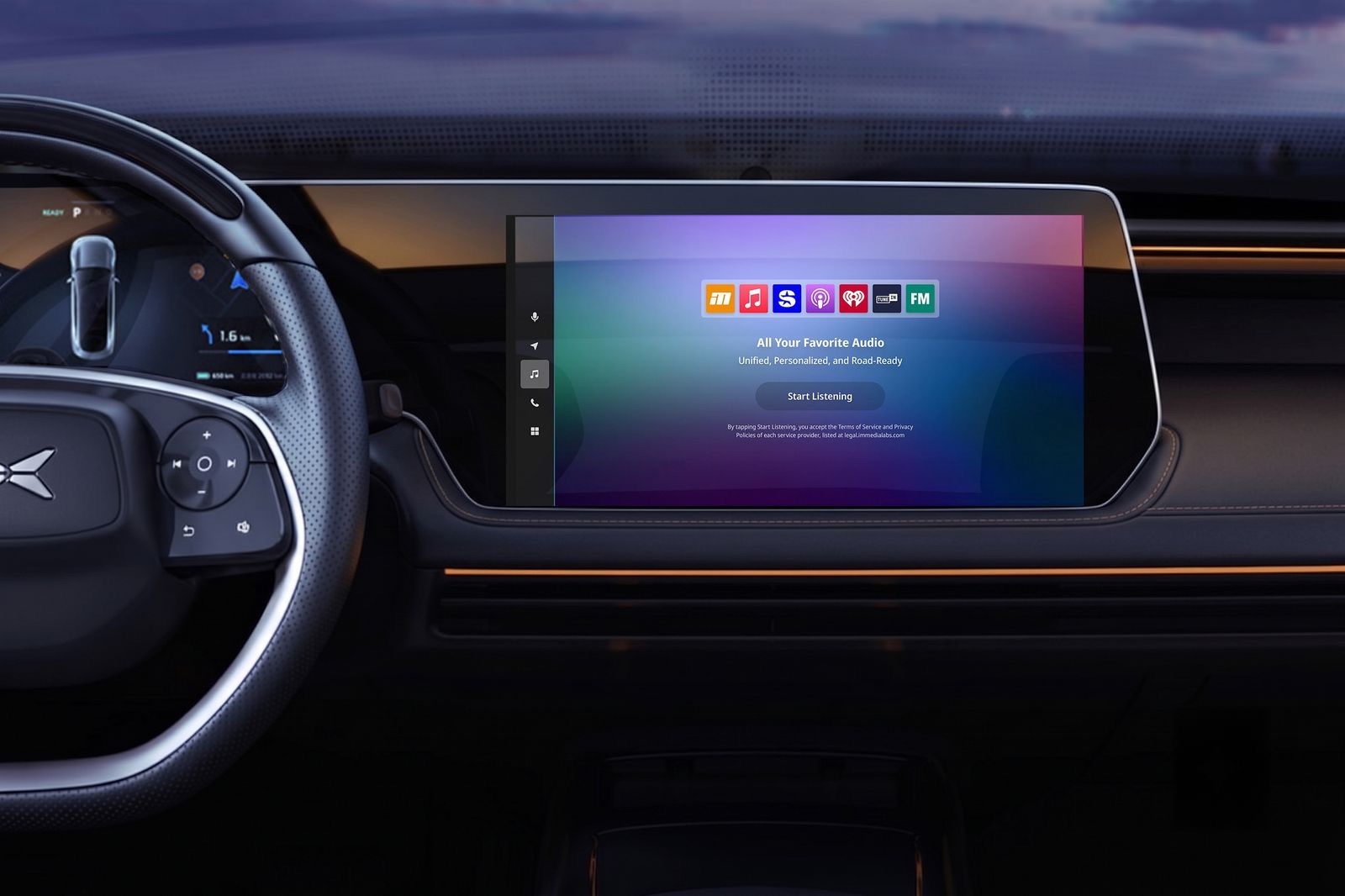
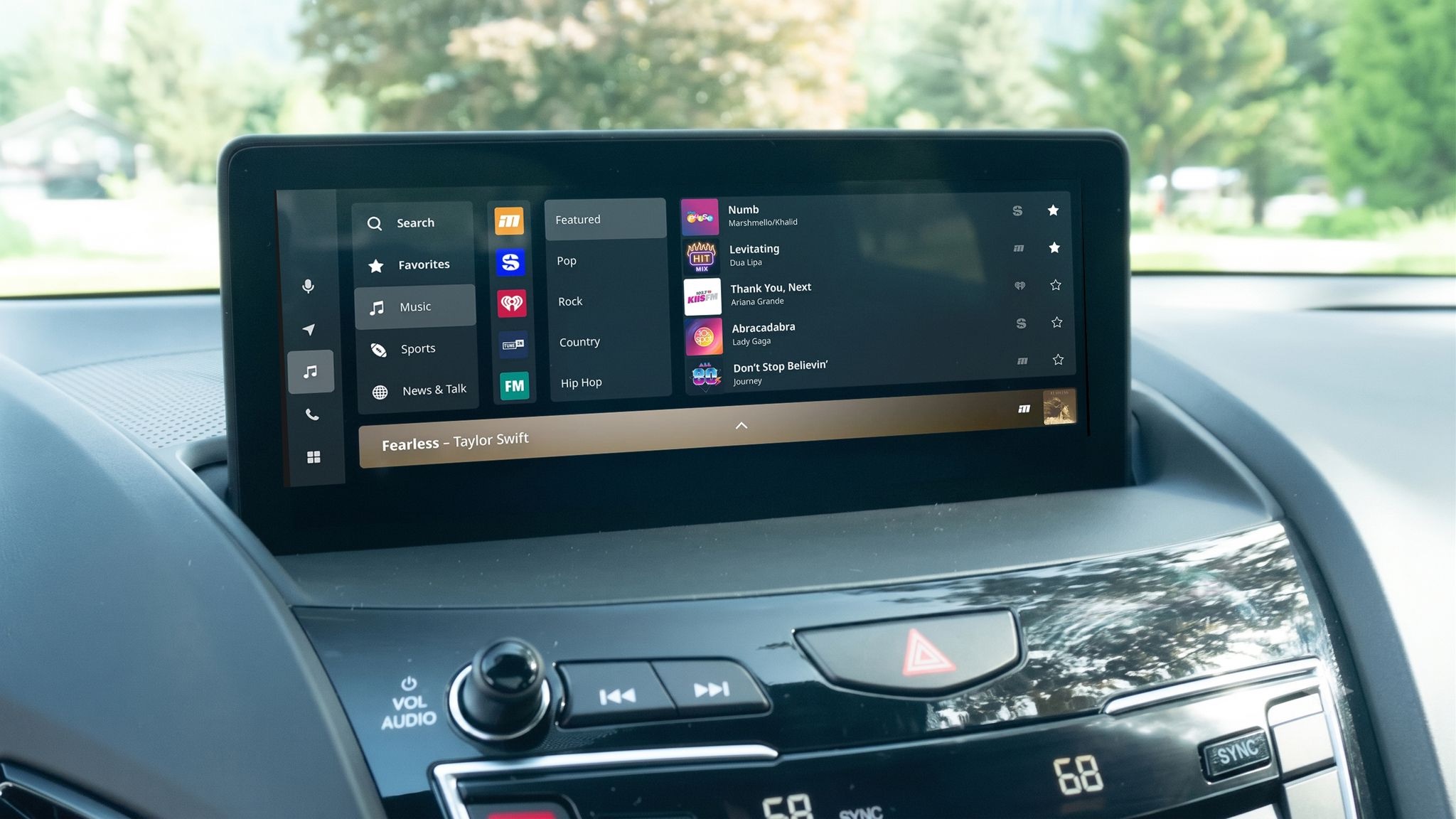
iM Media Labs is building iM Media Hub: an embedded, AI-driven audio platform that lives inside a vehicle. It unifies radio, streaming, podcasts, and curated stations into a single experience, designed to feel native to the dashboard rather than a phone screen mirrored onto it.
Central to that promise is curation at scale. iM Media Hub requires a library of programmed stations, each one curated with the care a listener would expect from a station they trust. That is the hard part. Programming a great station is skilled, judgment-intensive work: choosing the right artists, building the right library, deciding what plays heavily and what plays rarely, sequencing it so it flows without feeling mechanical. A skilled music director makes this look effortless. Doing it across an entire platform of stations, and keeping it fresh, does not scale the way it has always been done by hand, one station at a time.
iM Media Labs needed a way to build and maintain a library of professionally programmed stations without a programming team that could never keep pace with the ambition of the platform.
The Constraints
The platform was heading toward a major commercial milestone: a collaboration with AT&T Connected Car, unveiled at CES 2026. The programming engine had to be real and working. Not a demonstration of a concept, but a system that could actually fill the platform with stations worth listening to and scale as the library grew.
It also had to encode genuine programming craft rather than just wrap a music database in a conversational interface. The difference between a playlist and a professionally programmed station is rotation discipline: what plays every hour, what plays twice a day, what plays occasionally, and how those buckets sequence against each other. The tool had to get that right.

What We Built
Karakoram built the engine that programs the stations: a tool that takes a simple brief and turns it into a complete, ready-to-play station.
A Synthetic Music Director
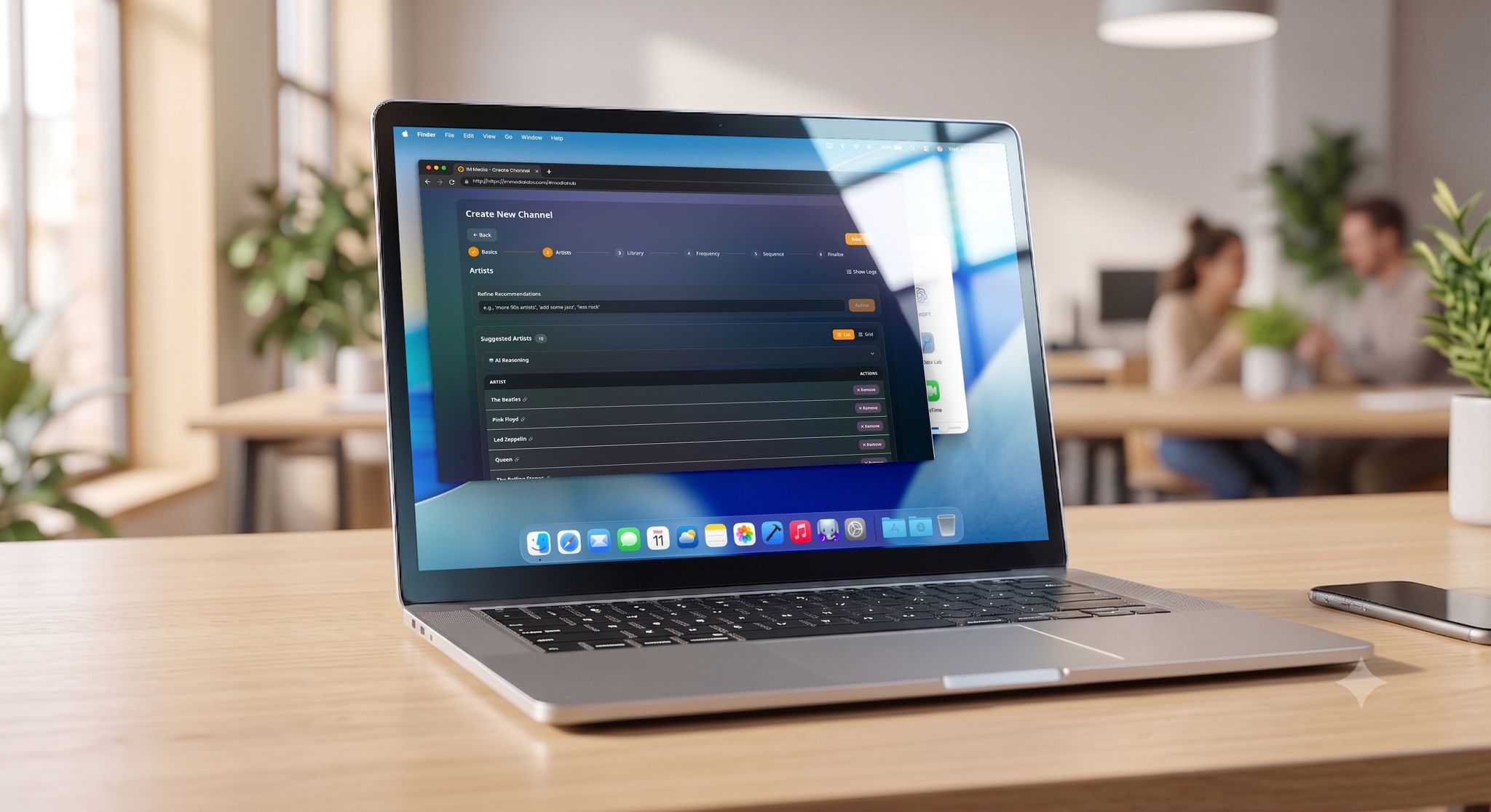
A programmer describes the station in plain language: the genre, the mood, the era. The AI proposes the artists, builds the track library, and shows its reasoning. The programmer stays in control and steers everything in natural language. "More 90s artists." "Add some jazz." "Less rock." And the system responds. The expertise of radio programming is encoded in the tool, with the person directing it rather than hand-building it.
Professional Rotation Built In
The tool follows the real shape of the craft: define the station, choose the artists, build the library, decide what goes into heavy, regular, or light rotation, sequence the play-out, finalise. Rotation and sequencing are where amateur playlists and professional stations often part ways and the engine treats them as first-class steps, steerable in plain language. What would otherwise require a music director's judgment is now something a non-specialist can drive.
A Design System Built to Scale
Karakoram also built the product's design system: the design tokens, colour, type, spacing, and component rules that keep the experience consistent as it grows. The approach was deliberate: define the system first, prove it on the highest-value screens, then roll the same patterns across the rest of the product. The result is an interface that holds together across screen sizes, trims, and regions. Exactly where an in-vehicle platform has to go.
The Outcome
A programming engine that builds professionally curated stations from a layman's brief, encoding the full craft of music direction into a tool anyone can drive.
iM Media Hub is a live product, and its programming engine now sits at the centre of its AT&T Connected Car collaboration, unveiled at CES 2026.
Continue exploring
JobTech, TalentTech
TrabajaYa
What ifa blue-collar worker could find the right job, and an employer the right hire among hundreds of thousands, in a single message?

SportsTech, Athlete Platforms
VLT Gymnastics
What ifa gymnastics career didn't end the day the NCAA stops counting it?

Tech-for-Good, MigTech
Plataforma de Identidad Digital
What ifa refugee could prove who they are and unlock government services, without their full identity living on a government server?

PeaceTech, Civic Data
Social Cohesion Data Engine & Visualiser
What ifa peacebuilding team could see communal tension shifting in days, not read about it in a survey three months later?
HumTech, Digital Identity
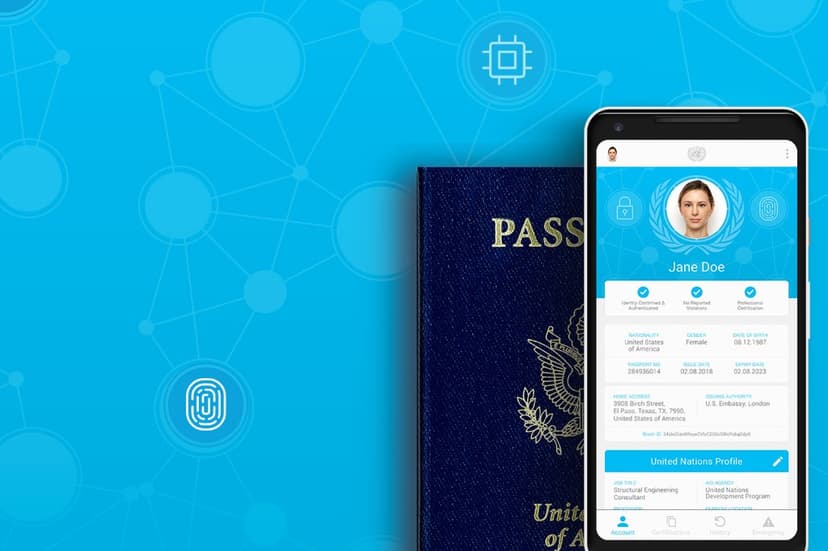
Humanitarian Passport
What ifan aid worker’s history could follow them across borders, and a host country could verify it at the checkpoint, offline, without trusting any single NGO?